
The Silent Killer of Coastal HVACs: Mastering Salt Air AC Corrosion
Living in the “Sunshine City” comes with unparalleled perks, pristine beaches, vibrant sunsets over the Gulf and a tropical breeze that feels like a year round vacation. However, that same salty breeze is the natural enemy of your home’s most expensive appliance. If your cooling system starts blowing lukewarm air or making strange rattling noises during a humid July afternoon, then you require a reliable AC repair in St. Petersburg immediately. In a coastal climate, local technicians do not just fix parts as they fight a constant battle against the elements to keep your home a sanctuary from the Florida heat.
As living near the ocean is the bucolic dream of many individuals, but to your air conditioning, it is the stuff of nightmares. The pleasant ocean breeze is the main reason why individuals want to live near the sea, but this breeze also carries the main component of salt air AC corrosion. It is a very powerful chemical compound that, in the course of a few brief years, might turn a fresh air conditioning unit into a corroded piece of junk. So if you are noticing your air conditioner losing efficiency or the fins outdoors flaking to the touch, you are not witnessing the results of aging, you are witnessing the chemical reactions of the coast.
To keep your home comfortable and your energy bills manageable, specialized coastal AC maintenance is not an elective luxury, it is a necessity. In order to do justice to the exercise of AC care, it is essential to understand that regular HVAC practices carried out in inland homes just can’t work in a coastal setting due to the brine saturation in the air. As the air contains brine, it’s only a matter of time before the brine seeps into the aluminum and copper compositions of the AC equipment, causing “pitting” and ultimately causing the refrigerant to leak out of the structure.
In this specific AC care guide, we will explore the implications of such instances and try to save the AC equipment from the brine in the atmosphere.
The Science of Corrosion: Why Salt Hates Metal
Corrosion, by its very nature, is an electro-chemical process, but when salt or sodium chloride, falls onto the metal surface comprising your Air Conditioning equipment, it acts as a catalyst, and in the very humid environment that we experience in Florida, it becomes an electrolyte solution, accelerating the oxidation of metal.
The Galvanic Reaction
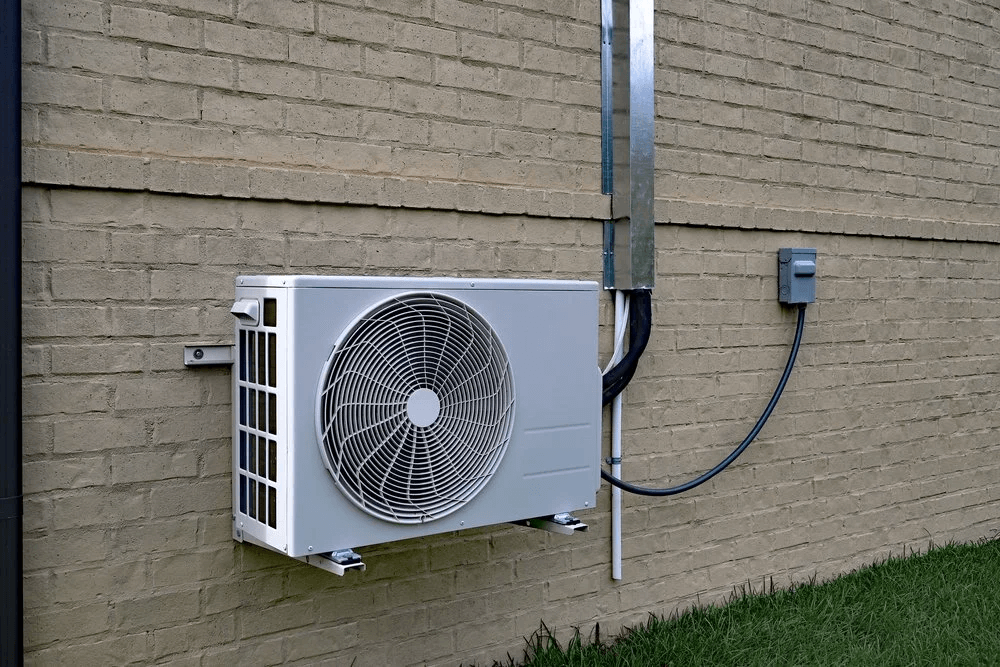
Most AC units employ a combination of copper tubing and aluminum fins. The combination of salt water and these two metals creates a “galvanic couple” because the combination of these metals causes the aluminum, as the “softer” of the two metals, to sacrifice itself for the copper tubing. That is why the aluminum fins on the outside casing of the unit often degenerate into a powdery white substance before the rest of the parts fail.
They handle typical residential repairs, full system replacements, and ongoing maintenance. Many customers say they appreciate being told what actually needs attention now versus what can wait.
Service areas include: St. Petersburg, Gulfport, Pinellas Park, Seminole
Rating: 4.9 stars across thousands of reviews
They’re especially popular with homeowners who want quick response times and straightforward answers. Summer pricing can be a bit higher, which isn’t unusual given demand.
Warning Signs Your Unit is Struggling
How do you know if the salt is winning the battle? Look for these early warning signs:
- “Flaking” Fins: If you run your finger across the silver grids on your outdoor unit and they crumble like dry crackers, corrosion has already set in.
- Increased Energy Bills: As the fins disappear, the unit cannot shed heat effectively. Your compressor has to work twice as hard to cool your home, spiking your power usage.
- Short Cycling: The system turns on and off rapidly because it is struggling to maintain the set temperature due to reduced heat transfer.
- Visible Rust: Rust on the base pan or the fan motor housing is a clear indicator that the protective factory coating has been breached.
Proactive Coastal AC Maintenance Strategies
If you live within five miles of the coast, your maintenance schedule should be significantly more frequent than the industry standard.
1. The Weekly Freshwater Rinse
The simplest tool in your arsenal is your garden hose. Once a week, gently spray down the exterior of your condenser unit.
- Do: Use a low pressure stream to wash away salt deposits.
- Don’t: Use a pressure washer, as this will bend the delicate fins and trap moisture deeper inside.
2. Professional Coil Coatings
“After-market” coatings have become popular choices for coastal residents. Coatings such as Bronz Glow or Blygold are specialized coatings, usually an epoxy or silane based coating applied directly to the coils. They offer physical protection from the salt air.
3. Strategic Placement
If you are putting in a new one, you should also think about the placement of the unit. Placing the unit on the side of the house that is not toward the predominant ocean wind or installing a windbreak that is like a lattice fence, can greatly help to prevent salt spray from reaching the unit.
The Reality of AC Coil Corrosion in Florida
For homeowners in Florida, there are particular situations. With 1,300 more miles of coastline lined by oppressive heat and humidity, AC coil corrosion Florida happens around three times quicker than in arid states. For any homeowner in Miami, Tampa, Jacksonville or any of the greater Miami metropolitan region, what might have lasted 15 years in an arid state might only last 5 to 7 years.
Knowing this level of regional reality is necessary to effectively budget. When looking for a new unit, the extra $500 to $1,000 is well spent to get a “Coastal Grade” unit which has anti-corrosive coatings on the coils and stainless steel latches and hardware.
FAQ's
Ideally, you should give your outdoor unit a gentle freshwater rinse once a week. If there has been a significant storm with high winds, rinse it immediately after the weather clears to remove the heavy salt spray.
Yes. Coastal units are built with specialized materials, such as "Seacoast" coated coils and double powder coated cabinets. While they are not 100% rust proof, they are designed to withstand the salt air significantly longer than standard models.
Be careful with covers. While they block salt, they also trap moisture. If you use a cover, ensure it is specifically designed for HVAC units and is made of a breathable material. Never run the AC while it is covered.
Usually no, most manufacturers consider salt corrosion "environmental damage" or "an act of nature" and will not cover the replacement of a rusted coil under a standard parts warranty. This is why maintenance is so critical.
