
AC Repair Company in Florida? A Pre-Season Checklist Before Summer
- Charles Thompson
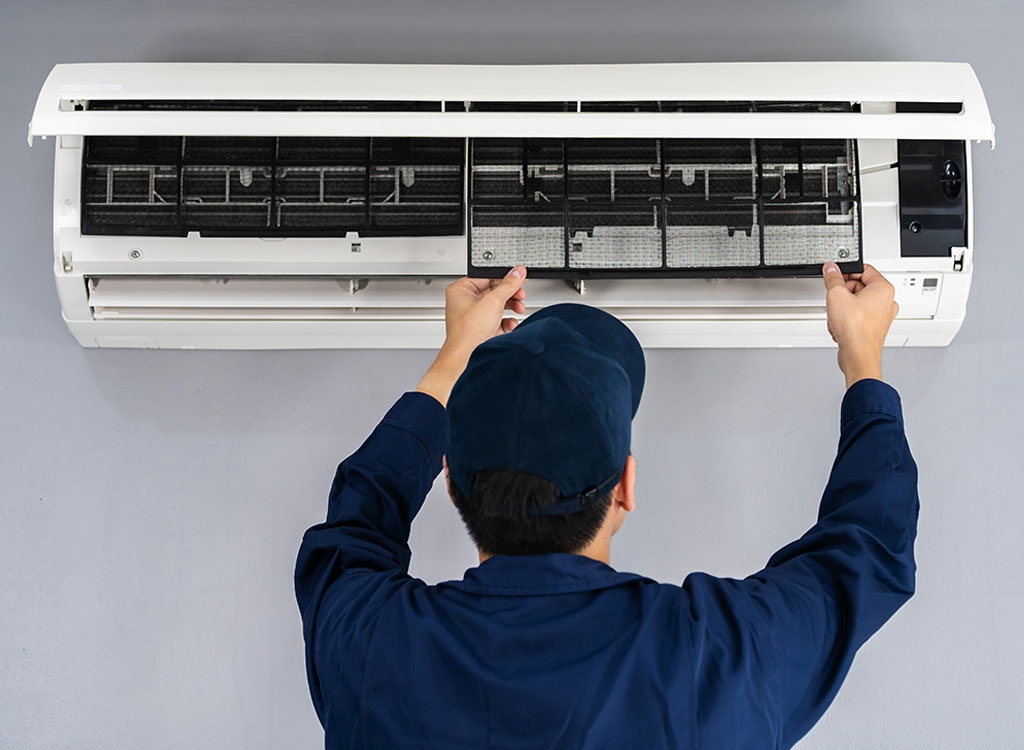
Florida’s summer is relentless, bringing scorching temperatures and high humidity levels that make air conditioning a necessity rather than a luxury. With your AC working overtime during these months, ensuring it is in top condition before the peak heat sets in can save you from unexpected breakdowns, costly repairs, and uncomfortable indoor conditions. A well-maintained AC unit not only provides efficient cooling but also helps in lowering energy bills and extending the lifespan of your system.
The last thing you want is your AC failing in the middle of a heatwave, leaving you scrambling for an emergency AC Repair Company in Florida when technicians are in high demand. By taking a proactive approach and following a simple pre-season checklist, you can prepare your AC for the intense Florida summer ahead. Let’s walk through the essential steps to keep your cooling system running efficiently and reliably all season long.
CALL US NOW
FOR IMMEDIATE ASSITANCE.
Let’s walk through the essential steps to keep your cooling system running efficiently and reliably all season long.
-
Schedule a Professional AC Tune-Up
Before summer arrives, scheduling a professional AC inspection is one of the smartest investments you can make. HVAC technicians thoroughly check for potential issues, clean vital components, and optimize system performance to handle increased summer demand. Routine maintenance improves efficiency and helps identify minor problems early, preventing costly repairs later. -
Replace or Clean Air Filters
Replacing or cleaning air filters is one of the simplest yet most effective AC maintenance tasks. Dirty filters restrict airflow, forcing the system to work harder and consume more energy. In hot and humid climates, filters can clog quickly due to heavy usage. Ideally, filters should be inspected monthly and replaced every 60–90 days, or more often if you have pets or allergies. -
Clean the Outdoor Unit (Condenser)
The outdoor condenser unit is responsible for releasing heat from your home. Over time, dirt, leaves, and debris can collect around the unit, reducing cooling efficiency. Before peak summer heat, remove obstructions and gently clean the condenser fins with a garden hose. Ensure at least two feet of clearance around the unit to maintain proper airflow. -
Check and Clean Air Ducts
Dirty or leaky air ducts can significantly reduce your AC’s efficiency by allowing cooled air to escape before reaching your living areas. Inspect ducts for visible leaks, dust buildup, or mould growth. Professional duct cleaning can improve airflow, enhance indoor air quality, and ensure even cooling throughout your home. -
Test the Thermostat
Your thermostat plays a key role in controlling AC performance. Make sure it’s working accurately and responding correctly to temperature changes. If you’re using an older model, upgrading to a programmable or smart thermostat can help you create efficient cooling schedules, reduce energy usage, and adjust temperatures remotely.
-
Inspect Refrigerant Levels
Low refrigerant levels prevent your AC from cooling effectively and can increase energy costs while stressing the compressor. Warning signs include warm air from vents, ice buildup on refrigerant lines, or hissing sounds. A qualified HVAC technician can inspect for leaks and recharge refrigerant if needed. -
Ensure Proper Drainage
The condensate drain line removes excess moisture from your AC system, but it can clog with algae or debris over time. Blocked drains may cause water leaks, increased humidity, and mould growth. Regularly flushing the drain line with water and vinegar helps maintain proper drainage. -
Seal and Insulate Windows and Doors
Even a high-efficiency AC system can struggle if cool air escapes through gaps around windows and doors. Inspect for air leaks and seal them using weatherstripping or caulk. Good insulation keeps your home cooler and reduces strain on your AC, leading to lower energy bills. -
Listen for Unusual Noises
Grinding, banging, or squealing sounds from your AC often signal mechanical problems such as loose parts, motor issues, or debris inside the unit. Addressing unusual noises early helps prevent serious damage and costly repairs. -
Consider an Energy-Efficient Upgrade
If your AC system is over 10–15 years old and frequently requires repairs, upgrading to a newer energy-efficient model may be a better long-term solution. Modern air conditioners with higher SEER ratings provide better cooling while consuming less energy, resulting in noticeable savings over time—especially during the summer season.
